Code TD-0196

Bugati Polos
Woven, Polyester
- GSM
- 215–235
- Width
- 56"–60"
Base price, excludes Spandex
Wholesale priceRp 20.900 / yard

A fabric sub-distributor for apparel brands in Jabodetabek and Bandung. Send a sample, and we match the fabric and the colour.
Scroll
Wholesale prices in rupiah: per yard for woven, per kg for knit. GSM and width are ranges, as batches vary. Pictures are texture references; ask for a physical sample of any code.
Download the E-Catalogue (PDF)All 36 fabrics with specs and wholesale prices, to share or print.
Code TD-0196
Woven, Polyester
Base price, excludes Spandex
Wholesale priceRp 20.900 / yard
Code TD-0197

Woven, Polyester
Base price, excludes Spandex
Wholesale priceRp 20.900 / yard
Code TD-0197
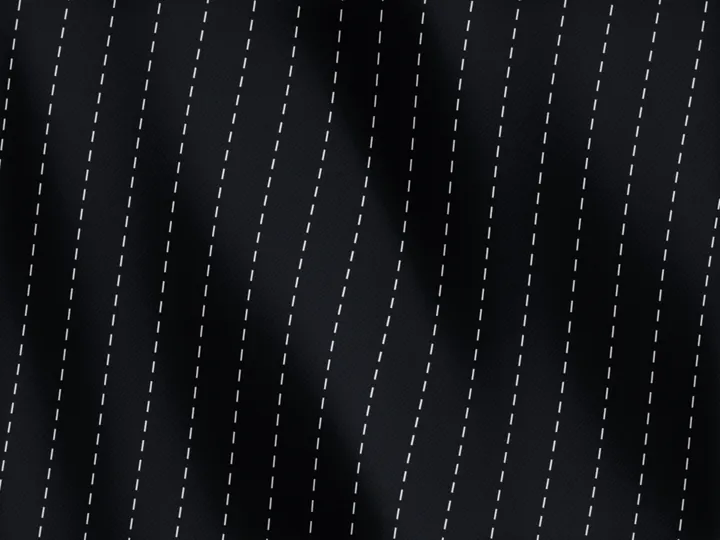
Woven, Polyester
Base price, excludes Spandex
Wholesale priceRp 20.900 / yard
Code AX-1124

Woven, Polyester
Base price, excludes Spandex
Wholesale priceRp 22.000 / yard
Code TD-0184

Woven, Polyester
Base price, excludes Spandex
Wholesale priceRp 23.100 / yard
Code TD-0206

Woven, Polyester
Base price, excludes Spandex
Wholesale priceRp 23.100 / yard
Code TD-14746-001
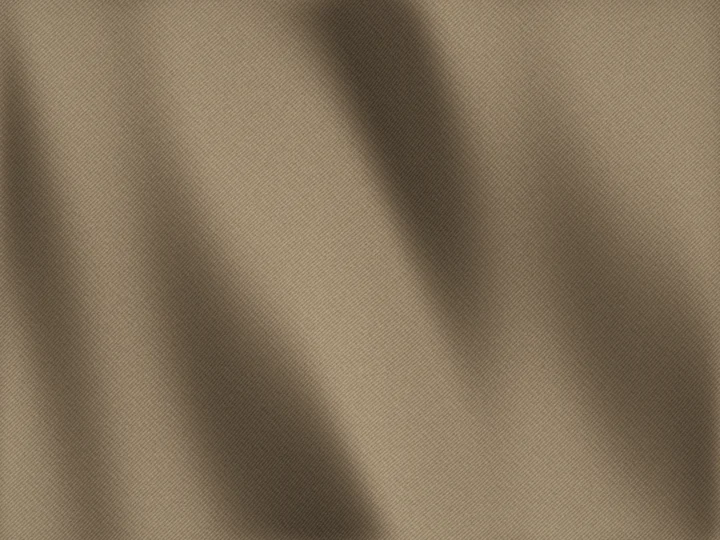
Woven, Polyester
Base price, excludes Spandex
Wholesale priceRp 24.800 / yard
Code TD-0215

Woven, Polyester–Cotton blend
Base price, excludes Spandex
Wholesale priceRp 24.200 / yard
Code TDT-1627
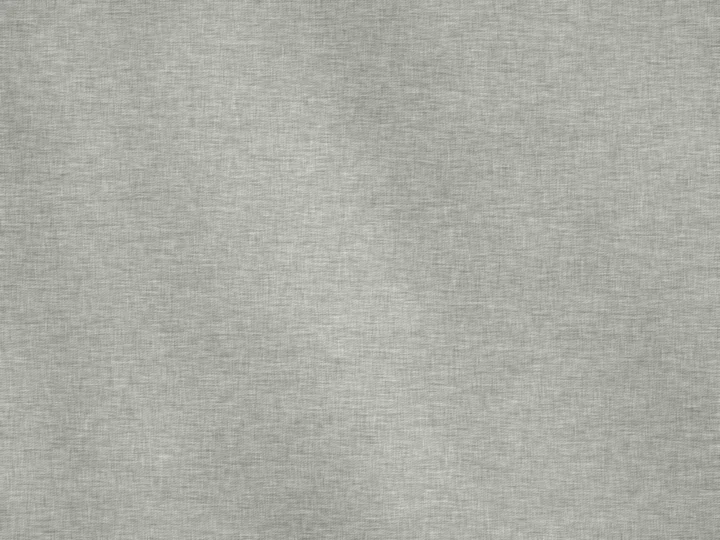
Woven, Cotton
Base price, excludes Spandex
Wholesale priceRp 27.500 / yard
Code TDT-0936

Woven, Polyester
Base price, excludes Spandex
Wholesale priceRp 28.600 / yard
Code TD-0256
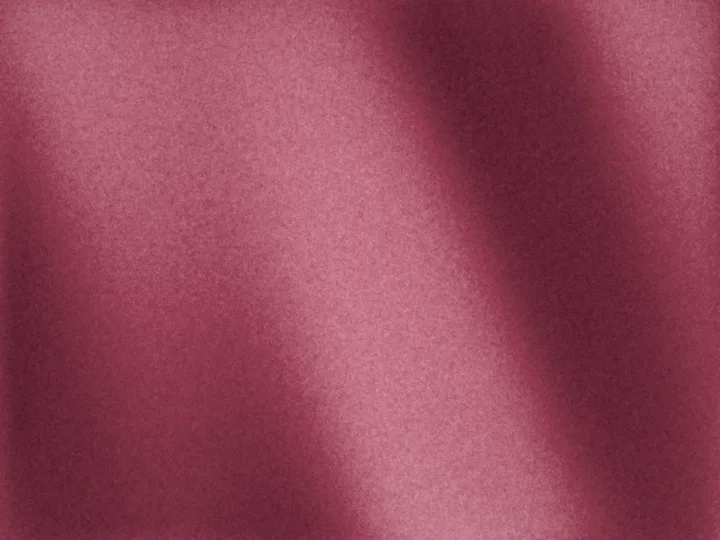
Woven, Polyester
Price includes Spandex
Wholesale priceRp 28.600 / yard
Code TD-6906-002
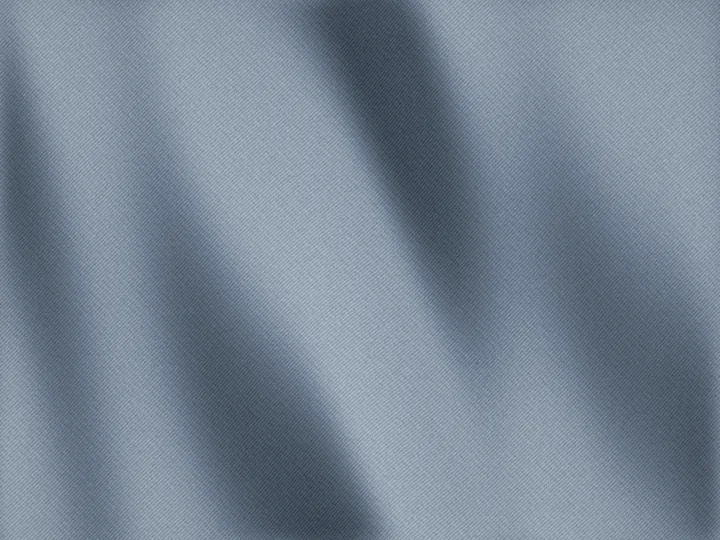
Woven, Polyester–Rayon blend
Base price, excludes Spandex
Wholesale priceRp 28.600 / yard
Code TDT-1038

Woven, Polyester
Base price, excludes Spandex
Wholesale priceRp 29.700 / yard
Code TD-10933-002

Woven, Polyester
Base price, excludes Spandex
Wholesale priceRp 33.600 / yard
Code TD-0204

Woven, Polyester
Base price, excludes Spandex
Wholesale priceRp 33.600 / yard
Code TDT-1495

Woven, Polyester
Base price, excludes Spandex
Wholesale priceRp 38.500 / yard
Code TD-7258-028

Woven, Polyester
Price includes Spandex
Wholesale priceRp 41.300 / yard
Code TD-12282-001

Woven, Polyester
Base price, excludes Spandex
Wholesale priceRp 52.300 / yard
Code TDT-1241

Woven, Polyester
Price includes Spandex
Wholesale priceRp 60.500 / yard
Code TDT-1046
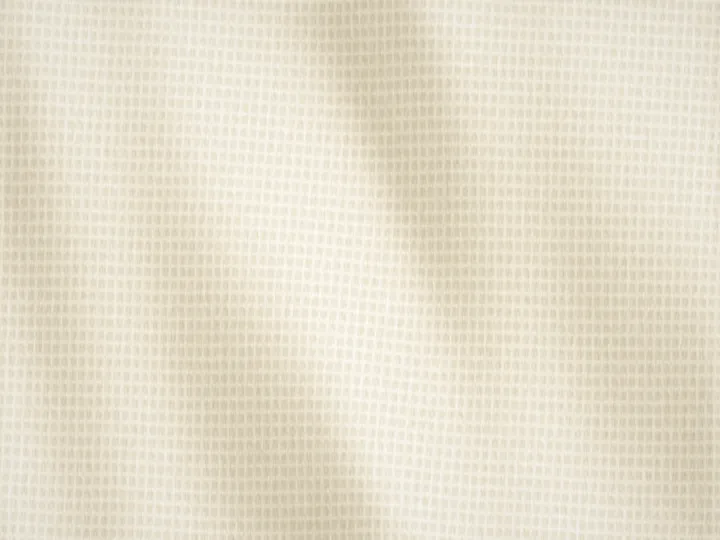
Woven, Polyester
Price includes Spandex
Wholesale priceRp 63.800 / yard
Code AX-1084
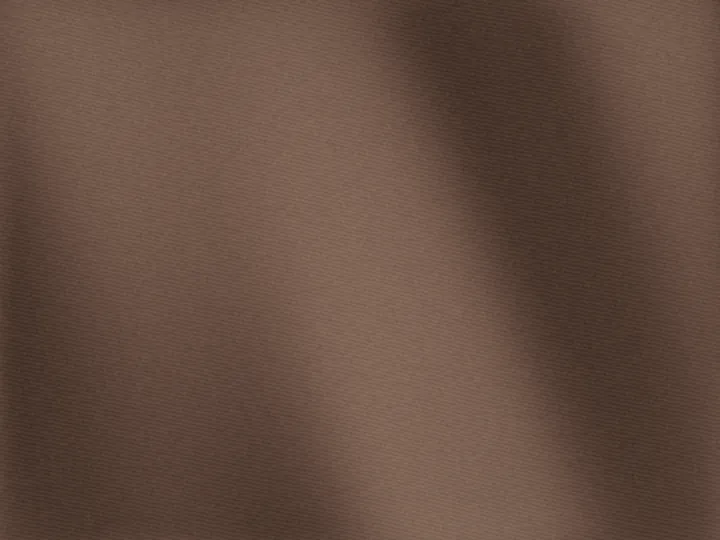
Woven, Polyester
Price includes Spandex
Wholesale priceRp 70.400 / yard
Code TD-12759-001

Knit, Polyester
Base price, excludes Spandex
Wholesale priceRp 69.300 / kg
Code TD-0210
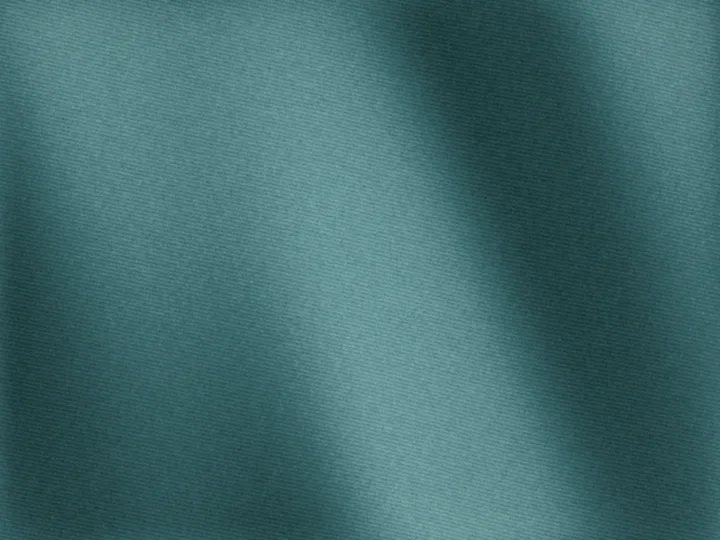
Knit, Polyester
Base price, excludes Spandex
Wholesale priceRp 70.400 / kg
Code TD-0119
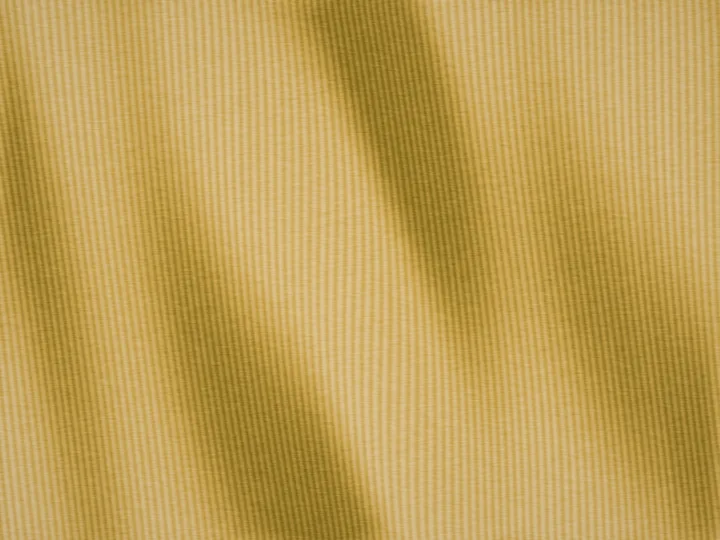
Knit, Polyester
Price includes Spandex
Wholesale priceRp 82.500 / kg
Code TD-0167

Knit, Polyester
Price includes Spandex
Wholesale priceRp 85.800 / kg
Code TD-0185

Knit, Polyester
Price includes Spandex
Wholesale priceRp 85.800 / kg
Code TD-0117

Knit, Polyester
Price includes Spandex
Wholesale priceRp 85.800 / kg
Code AX-1089

Knit, Polyester
Price includes Spandex
Wholesale priceRp 88.000 / kg
Code AX-1091

Knit, Polyester
Price includes Spandex
Wholesale priceRp 88.000 / kg
Code 26-05-KS039
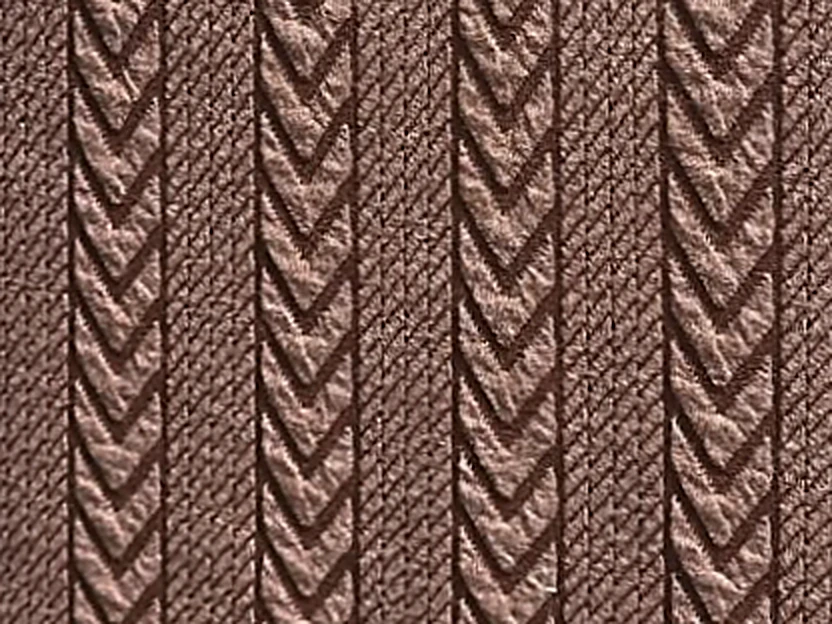
Knit, Polyester
Price includes Spandex
Wholesale priceRp 96.800 / kg
Code TD-0251
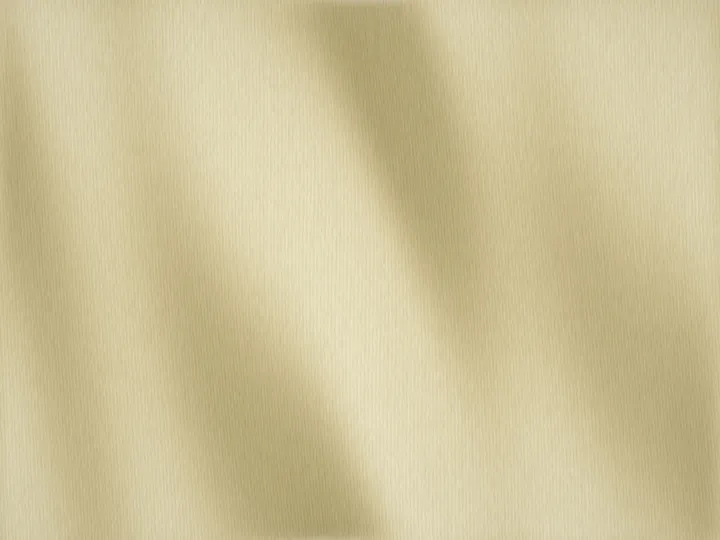
Knit, Rayon
Price includes Spandex
Wholesale priceRp 96.800 / kg
Code TDT-1497
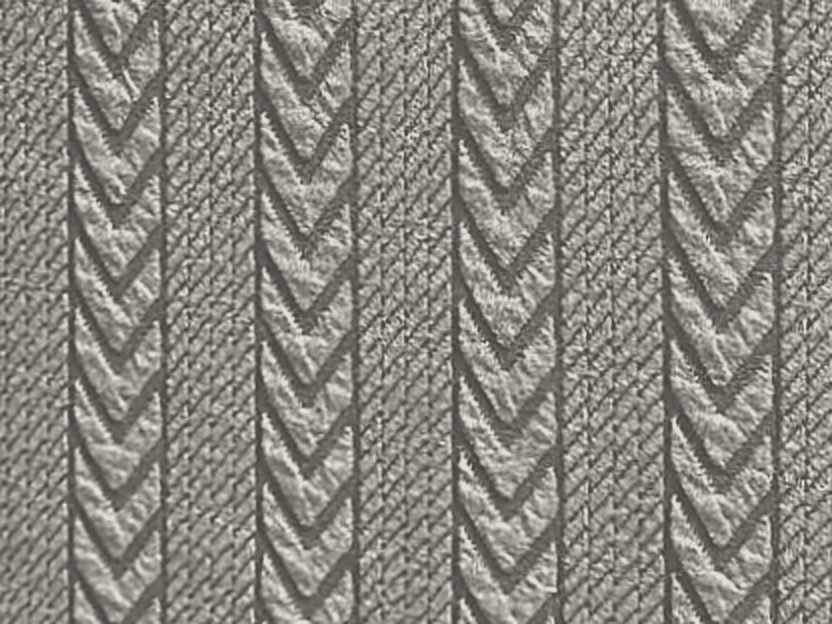
Knit, Polyester
Price includes Spandex
Wholesale priceRp 99.000 / kg
Code AX-1120
Knit, Polyester–Rayon blend
Price includes Spandex
Wholesale priceRp 99.000 / kg
Code AX-1093

Knit, Nylon
Price includes Spandex
Wholesale priceRp 121.000 / kg
Code AX-1098

Knit, Lyocell
Base price, excludes Spandex
Wholesale priceRp 132.000 / kg
Code AX-1096

Knit, Polyester
Price includes Spandex
Wholesale priceRp 132.000 / kg
Other fabric types are available on request.
Chat on WhatsAppNo fabric matches that search. Message us on WhatsApp and we will look for it.
Premium-grade material at a price that shouldn’t be possible.
Sourcing fabric as simple as sending a sample: exact colour match, no supplier back-and-forth.
The fabric partner Indonesian apparel brands call first: precise and reliable, every order.
Five steps from sample to warehouse.
Every order starts with your sample, not our shelf.
Send a sample, photo or piece of current stock. We recommend the closest options from our range.
We run lab-dips until the colour matches your approved reference.
Once confirmed, we handle sourcing and delivery to your Jabodetabek or Bandung warehouse.
Fabric at your warehouse
Pick a topic or search. Every answer starts with the short version. Missing yours? Message us on WhatsApp.
Pick a question to read the short answer.
Nothing is committed. We send the lab-dip back for your approval and you order only once you're happy. Lab-dips are free and usually take 1–2 weeks.
Nothing is committed yet. We send the lab-dip back for your approval, and you only place the order once you're happy with it.
Tell us on WhatsApp what is off and send your target sample or colour reference, and we'll work through it with you.
Lab-dips and samples are free: you cover delivery of your sample to us, we cover delivery of the result back. Usually 1–2 weeks, depending on how quickly you respond and how complex the request is.
Yes. Message us on WhatsApp, or check the catalogue for the closest existing fabric. For something custom, send a hard sample or your requirements.
Yes! Message us on WhatsApp, or check our catalogue to see which existing fabric is already the closest match to what you need. Need something beyond the catalogue? Send us a hard sample or your requirements and we'll recommend options.
Send your sample or reference. We test it, recommend the closest match and send it back, free. For custom colours we lab-dip them for your approval.
Send your sample or reference to the address we give you. We test it, recommend the closest match, and deliver our recommendation back to you — free of charge.
For custom colours, send us the colours you want and we'll lab dip and send it back for your approval. You only place the order once you're happy with it.
Usually 1–2 weeks, depending on how fast you respond and how complex the request is.
Usually 1–2 weeks, depending on your responsiveness and how complex the request is.
Lab-dips and samples are free. You pay only to send your sample to us; we pay for the return.
Lab dip and samples themselves are free. You only cover the delivery cost of sending your sample to us — we cover delivery of the result back to you.
Four ways: dope dye, yarn dye, piece dye (cheapest, fastest and our most common) and yarn-mix such as Misty.
Misty is a colour technique, not a fabric. A fixed white-to-grey yarn (M60 lightest to M85 charcoal) is combined with a colour yarn of your choice for a soft, mottled look.
Misty isn't a fabric type — it's a colour technique. One of the threads in the weave or knit is the "Misty" thread itself: a fixed white-to-grey yarn that can't be dyed or recoloured once it's made. It's intertwined with a colour thread of your choice during weaving or knitting, giving you that soft, mottled, draped look.
Misty comes in shades from M60 to M85 — M60 is the lightest, near-white with just faint grey streaks, up to M85, a deep charcoal grey. The higher the number, the darker the base tone.
Colour Box PE is a specialty polyester made from yarn we import from China, which needs an import licence only a handful of Indonesian mills hold. It is always well stocked.
Colour Box PE is made from a specialty polyester yarn imported directly from China — the world's largest polyester producer, where this grade of yarn can be sourced at a cost and quality local suppliers simply can't touch.
Message us on WhatsApp for current colours and availability.
Four questions decide it: end use, price point and margin, comfort in Indonesia's heat, and the story you want to tell (natural, premium, easy-care). We'll think it through with you on WhatsApp.
It comes down to four questions. We're here as your consultant on this, not just your supplier — our goal is to help you land on what actually fits your brand, not just move stock. Message us on WhatsApp any time and we'll think it through with you.
Your answers point toward a fiber more than any fixed rule does. Here's how the three compare:
Cotton: breathable and "natural", but wrinkles and shrinks more. Rayon: drapes beautifully and takes dye vividly, but is weak when wet. Polyester: durable, wrinkle-resistant and easy-care, but less breathable. Price depends on the specific fabric, not the fibre alone.
Pros: breathable, soft, absorbs moisture well (genuinely useful in Jakarta's heat), biodegradable, and carries a premium "natural" perception that higher-end labels like to lean on.
Cons: wrinkles and shrinks more than the alternatives, weaker when wet, and less colorfast over repeated washes.
Best for: logo-driven basics — tees, casual shirting — where the "cotton" label itself is part of the sell.
Pros: drapes beautifully, great for dresses and flowy silhouettes, takes dye vividly for rich colour, and feels close to silk.
Cons: weak when wet, so it needs careful handling in both production and washing, and it's more prone to stretching or shrinking than polyester.
Best for: dressier pieces where drape and colour depth matter, for brands wanting an elevated feel.
Pros: durable, wrinkle-resistant, colorfast and easy-care, a dependable base as brands scale up production.
Cons: less breathable unless it's a specially engineered weave (a real comfort factor in this climate), and can read as "cheap" if the finish isn't done well.
Best for: durability-and-price-driven basics.
Price depends on the specific fabric — its construction, GSM, spandex and finish — more than on the fibre alone. Compare actual prices fabric by fabric.
Still not sure which fits your line? Message us on WhatsApp — we're glad to talk it through with you, no pressure to order anything.
Curious how the yarn itself (not just the fiber) changes the feel? See spun vs. filament yarn here.
Spun yarn twists short fibres into one strand: soft, a little fuzzy. Filament is one continuous strand: smooth, often shiny, and really only for synthetics like polyester.
It's about how the yarn is made, not what it's made from. Spun yarn twists short, broken fibers into one strand — soft and a little fuzzy, like cotton or wool have always felt. Filament yarn is one continuous strand straight off a spool — smooth and often shiny, like silk or sportswear.
Any fiber can technically be spun, but filament really only works for synthetics like polyester — cotton and rayon simply don't come as one continuous strand. Want the measurement breakdown? See our yarn-count FAQ.
One twist: some filament yarn is texturized (called DTY) specifically to mimic spun yarn's soft, fuzzy feel — so looks alone aren't a fully reliable tell. And remember, a heavier fabric isn't automatically a better one — here's why.
Spandex (elastane) is a small amount of very stretchy fibre blended into the yarn. It adds stretch and recovery, and works with almost any fibre, woven or knit.
Spandex (also called elastane) is a small amount of highly stretchy fiber blended into the yarn itself. It's what gives a fabric stretch and recovery, the ability to snap back into shape, that the base fiber can't provide on its own. It can be added to almost any fiber or construction: cotton, rayon, or polyester, woven or knit.
Woven crosses two sets of yarn in a grid: structured, holds a crease and its shape. Knit loops one yarn into itself: stretchy, soft and draping, but can sag over time. Neither is better; it depends on the garment.
Woven fabric crosses two separate sets of yarn at 90 degrees, forming a grid. Knit fabric is one continuous yarn looping into itself, forming a chain. Here's how that plays out in practice:
Neither is "better" on its own — it depends on what the garment needs to do. For a quick sense of what's typically used for common garment types, see the chart here.
There's one more shape question worth knowing, for either construction — tubular or open-width. See how they differ →
Typically knit for tees, polos, leggings, hoodies and casual dresses; woven for button-ups, jeans, tailored dresses and jackets. A guide, not a rule.
Here's what the market typically reaches for — a quick reference, not a hard rule. Brands sometimes break convention on purpose (think woven-look leggings or knit blazers), but this covers the usual case:
| Garment | Typically | Why |
|---|---|---|
| T-shirts / tees | Knit (jersey) | Soft, stretchy, everyday comfort |
| Polo shirts | Knit (piqué) | Stretch with a slightly firmer, textured surface |
| Dress / button-up shirts | Woven | Crisp structure, holds a crease |
| Jeans & most bottoms | Woven | Shape retention, built to last |
| Leggings / activewear | Knit | Needs to stretch and move with the body |
| Casual / jersey dresses | Knit | Drapes and clings comfortably |
| Tailored / structured dresses | Woven | Holds a defined silhouette |
| Jackets & structured outerwear | Woven | Keeps a crisp, tailored shape |
| Sweaters / fleece / hoodies | Knit | Warm, stretchy, soft hand |
Want to know why woven and knit behave so differently in the first place? See our woven vs. knit FAQ. Still deciding on a specific design? Message us on WhatsApp — happy to help you land on the right one.
Tubular is a closed loop off a circular knitting machine; open-width is the same fabric slit open and laid flat. Widths vary a lot from fabric to fabric, so there is no standard width to expect.
Tubular fabric comes off a circular knitting machine as a closed loop, so its width is set by the machine. Open-width is the same fabric slit open and flattened into one continuous sheet.
Widths differ a lot from fabric to fabric, woven and knit alike, and a fabric's width is quoted as a range. Tell us the width you need and we'll tell you what fits. Not sure which form your design needs? See when to choose each →
Go tubular for simple tees and tanks with no side seam. Go open-width for dresses, button-ups, wide pattern pieces and cutting many layers at once.
It comes down to what you're cutting:
Whichever you choose, plan your cut against the width range quoted for that fabric.
Still unsure what tubular vs. open-width actually means? Check our FAQ here.
Four decisions: fibre, spandex or not, woven or knit (with the weave or knit type), and colour with dye method. Not on our list? Ask; we can often still source it.
Four quick decisions:
Every order starts from your approved sample, but batch production isn't 100% precise, so we don't claim every batch is identical. For a repeat, quote your earlier product code; report issues within 30 days.
Every order starts from a sample or lab-dip you have approved, so the reference is agreed before bulk. Bulk is batch production, and batches can't be controlled with 100% precision, which is why roll quantity carries a margin of up to 15%. So we don't claim every batch is identical.
What drives texture is yarn grade and how densely the fabric is knitted or woven, not the GSM number alone — see why.
For a repeat order, quote the product code from your earlier order on WhatsApp and we'll confirm the spec before you commit. Inspect the fabric on arrival: report any issue within 30 days, before it is cut, washed or processed.
Typical ranges: light woven 60–130 GSM, shirting 100–150, mid-weight bottoms and twill 150–250, heavy bottoms and denim 250–450+; tee jersey 120–240, scuba, heavy knits and fleece 230–400. Fibre alone doesn't fix the GSM.
| Fabric type | Weight (GSM) |
|---|---|
| Lightweight / chiffon-type woven | 60–130 |
| Standard shirting (cotton, poly, viscose) | 100–150 |
| Mid-weight bottoms, twill & lighter denim | 150–250 |
| Denim / heavy bottoms | 250–450+ |
| Light jersey (summer tees) | 120–160 |
| Standard tee jersey | 160–200 |
| Premium tees, interlock & ITY jersey | 180–240 |
| Scuba, heavy knits & fleece | 230–400 |
GSM isn't fixed by fiber alone — the same fiber can be made lighter or heavier depending on how tightly it's woven or knit. These are typical ranges for each type; the exact GSM range of any fabric is quoted fabric by fabric.
S counts spun yarn (higher = thinner) and D counts filament yarn (higher = thicker). A count tells you the yarn's thickness, not the fabric's GSM.
A yarn count tells you how thick the yarn is, not how heavy the finished fabric will be. GSM also depends on how the fabric is knitted or woven, how dense it is, whether it has spandex, and the finish. Two fabrics made from the same count can weigh very differently, so there is no fixed conversion from count to GSM.
For the real weight of a specific fabric, ask us for its GSM range. Not sure if your yarn is spun or filament in the first place? See the difference here. And heavier doesn't mean better — see why GSM isn't a quality score.
No. GSM only measures weight. Quality comes from the yarn grade and how densely the fabric is knitted or woven.
Not necessarily — it's one of the most common myths in fabric buying. GSM only measures weight, not quality. A heavier fabric simply uses more material; it isn't automatically better made.
What actually drives quality is the yarn grade and how densely it's knitted or woven — not the number on a spec sheet.
And cheaper doesn't always mean lighter: for filament fabrics, finer, lighter yarn is often the pricier option, while for spun fabrics, it's usually the densely-knitted, heavier ones that cost more.
Want the full picture? See spun vs. filament yarn here, or how we compare prices fairly here.
Compare like with like: match the GSM, use GSM rather than G/M, check gross vs net weight, what is included (delivery, terms), material quality and batch consistency.
Compare apple to apple. We're not always the higher price — but a quote that looks cheaper doesn't always turn out to be. A few common things worth checking before comparing numbers side by side:
Not sure how a quote stacks up? Send it our way on WhatsApp — happy to walk through it with you.
Gross is the unprocessed roll; net is after processing and dyeing. Processing can shrink fabric up to 8%, so gross pricing can cost up to ~8.7% more. RRI always prices by net weight.
Gross Weight is the roll weighed while it's still greige — unprocessed, undyed. Net Weight is that same roll weighed after processing and dyeing, which is what you actually receive and use. Processing can shrink the fabric by up to 8%, so pricing by Gross Weight effectively charges you up to ~8.7% more for the same usable fabric.
RRI always prices by Net Weight — the number on our invoice is the number you actually get.
Price per m² puts any fabric on the same footing. Knit: (price per kg × GSM) ÷ 1000. Woven: (price per yard × 43.0556) ÷ width in inches.
Kg and yard pricing aren't directly comparable — different pricing units, different fabric weights, different roll widths. Price per square metre (m²) puts every fabric on the same footing, no matter how it's priced. The formula is different for each construction, because each one starts from a different base unit:
| Construction | Price per m² formula |
|---|---|
| Knit (priced per kg) | (Price per kg × GSM) ÷ 1000 |
| Woven (priced per yard) | (Price per yard × 43.0556) ÷ Width in inches |
Why GSM, for knit: GSM literally means grams per square metre — it's the fabric's own conversion factor from weight to area. One m² of the fabric weighs exactly GSM grams, so multiplying price-per-gram by GSM gives price-per-m². Example: Rp75,000/kg at 255 GSM → Rp75/gram × 255g = Rp19,125/m².
Why width, for woven: a "yard" of woven fabric is really a fixed-width strip — length × that roll's width, which is already an area. Converting it to m² is pure geometry (yards and inches into metres), so no weight conversion is needed at all. 43.0556 is just that length/width unit conversion, baked in once. Example: Rp30,500/yard at 63" wide → Rp30,500 × 43.0556 ÷ 63 ≈ Rp20,844/m².
Neither formula assumes GSM drives price — it only converts whatever price a fabric actually has into the same unit. A lighter fabric can easily cost more per m² than a heavier one if its yarn or finishing commands a higher price; the formula just reflects that honestly instead of hiding it behind different units. See why GSM isn't a quality or price score for more on that.
20–25 rolls per fabric type per colour, depending on the fabric. Ask on WhatsApp for your fabric's exact MOQ.
20–25 rolls per fabric type per colour, depending on which fabric you order. Message us on WhatsApp to get the exact MOQ for your fabric.
21.5–25 kg, or roughly 60–80 yards.
21.5–25 kg, or roughly 60–80 yards, depending on whether the fabric is priced per kg or per yards.
Woven fabrics are priced by the yard and knits by the kg: the standard for each construction.
It comes down to construction — woven fabrics are priced and sold by the yard, while knit fabrics are priced and sold by the kg. That's the standard for each construction across the industry, and it's also how our own supplier invoices us.
After approving your sample or lab-dip, WhatsApp us your order: fabric type, colour name and code, and roll quantity on each line.
Once you've approved your sample or lab dip, send us a WhatsApp message in this format:
Stock (Brand Name) (Your Order Number) RRI ORDERAN BARU: (Date)
Pesanan untuk (PIC / Owner Name) - (Brand Name)
Alamat: (Delivery Address)
PIC: (Person Receiving the Goods)

1. RAYON SPANDEX 30'S
- Hitam M09-23090155 = 48 roll
- Chocolate Plum M06-25064335 = 24 roll

2. Colour Box PE
- Black 0224/3885 = 40 roll
- Beige/Oat 0224/3890 = 40 roll
- Grey 0224/3889 OPSI B = 20 roll
That's it — fabric type, colour name and code, and roll quantity per line.
Delivery is free to Jabodetabek and Bandung. MOQ is 20–25 rolls; first delivery is usually 2–3 weeks, the full batch up to 5.
Delivery is free to both Jabodetabek and Bandung, and these are the figures we quote for both.
Need the exact MOQ for one fabric? Send its product code on WhatsApp.
A detailed packing list and a delivery order receipt, both with the delivery.
Two documents: a detailed packing list (PO number, colour, type, and yards/kg per roll) and a delivery order receipt (totals by type and colour). Both come with the delivery.
Yes. Delivery of your confirmed order to your warehouse is free.
Yes — delivery of your confirmed order to your warehouse is free.
First delivery usually 2–3 weeks after you order; the full batch up to 5 weeks, depending on the fabric.
First delivery usually takes 2–3 weeks after the order is placed. The full batch can take up to 5 weeks depending on the fabric.
Yes. Deliveries can happen on weekends or outside 8 AM–5 PM. Tell us if nobody can receive it.
Yes — deliveries sometimes happen on weekends or outside 8 AM–5 PM. Let us know if no one will be available to receive it.
Within a 15% margin on roll quantity: 50 rolls may arrive as 43–57. We invoice what is actually delivered.
We allow up to 15% margin on roll quantity, since batch production can't be controlled with 100% precision. For example, an order for 50 rolls may arrive as 43–57 rolls, and we invoice based on what's actually delivered, by kg or yards.
From your delivery date: usually the same day, up to 3 days after. Sent via WhatsApp.
Starting from your delivery date — usually the same day, up to 3 days after. It's sent via WhatsApp.
Payment details, due date, products delivered, PO reference, delivery date and price.
Payment details (where to transfer), the due date, the products delivered, the PO reference, the delivery date, and the price.
Yes, credit windows are negotiable. Message us on WhatsApp and an agent will help set terms.
Yes, credit windows are negotiable. Message us on WhatsApp and one of our agents will help set terms that work for you.
One invoice per delivery, each dated to its own delivery date.
One invoice per delivery. If your order ships in, say, 3 separate deliveries, you'll receive 3 separate invoices — each dated to its own delivery date, not one combined invoice for the whole order.
We never round. Pricing is to 2 decimal places on the exact weight delivered: 805.72 kg is charged as 805.72 kg.
We never round — pricing is calculated to 2 decimal places on the exact weight delivered. For example, if a knit is priced at Rp 80,000/kg and we deliver 36 rolls weighing exactly 805.72 kg, you're charged for 805.72 kg exactly — never rounded up or down.
Tell us within 30 days of receiving it. Inspect on arrival: we can't accept claims once the fabric is cut, washed or processed.
Let us know within 30 days of receiving your order. Please inspect fabric on arrival — we're unable to accept claims once it has been cut, washed, or processed.
Didn't find your answer? Message us — we're glad to help, no question too small.
Chat on WhatsAppSend your sample or reference on WhatsApp. We reply with matching options.
0 samples selected
Send on WhatsApp